MRCagney were engaged by Rotorua Lakes Council as part of a multidisciplinary team (MRCagney, Colliers, and MartinJenkins) to develop an evidence base to support the Council’s Industrial Land Strategy and implementation planning. The purpose of the work was to establish a robust understanding of Rotorua’s industrial sector, its future growth potential, and the suitability and capacity of the district’s industrial land to accommodate future economic activity.
The project comprised two key deliverables:
1. Economic Assessment
This was a detailed assessment of Rotorua’s industrial economy. It included defining the district’s industrial sector and assessing its scale, contribution to GDP, employment, productivity and historic growth. We analysed the performance and characteristics of key industrial subsectors, identified major industries and areas of comparative strength, and assessed local, national and global trends affecting Rotorua’s industrial economy.
The work also considered emerging technologies and industries, future growth potential, and the policy and regulatory environment influencing industrial development. This provided the Council with an evidence-based understanding of the industries that were established or growing, and presented future economic development opportunities.
2. Industrial Land Assessment
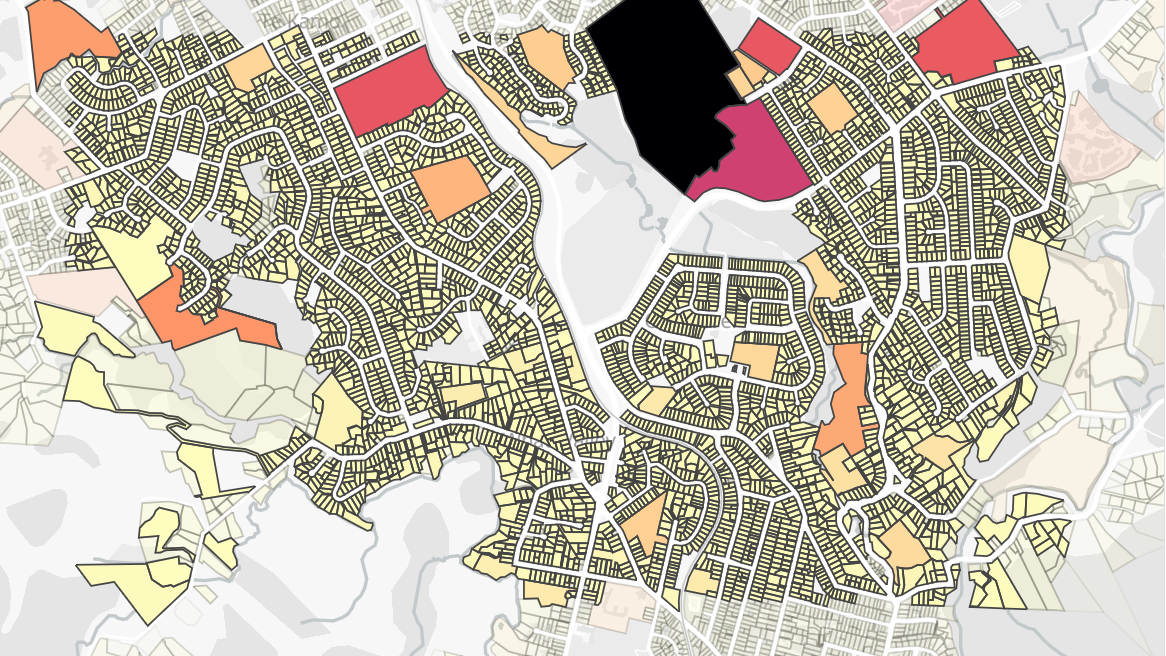
This part of the project assessed whether Rotorua’s existing industrial land could support the current and future requirements of the industrial sector. The assessment included spatial analysis of the district’s industrial areas.
The work examined:
- Current and future industrial land requirements
- Development capacity
- Parcel size and ownership patterns including Māori land ownership
- Vacant and underutilised land
- Potential development and redevelopment opportunities
- Market conditions affecting development feasibility
- The alignment of the District Plan with Rotorua’s future industrial requirements
The assessment also considered strategic directions for individual industrial areas and district-wide issues affecting the supply and development of industrial land.